Category: Latest Posts

  • House Prices Jump in Illinois Amid Slow Pace of New Construction

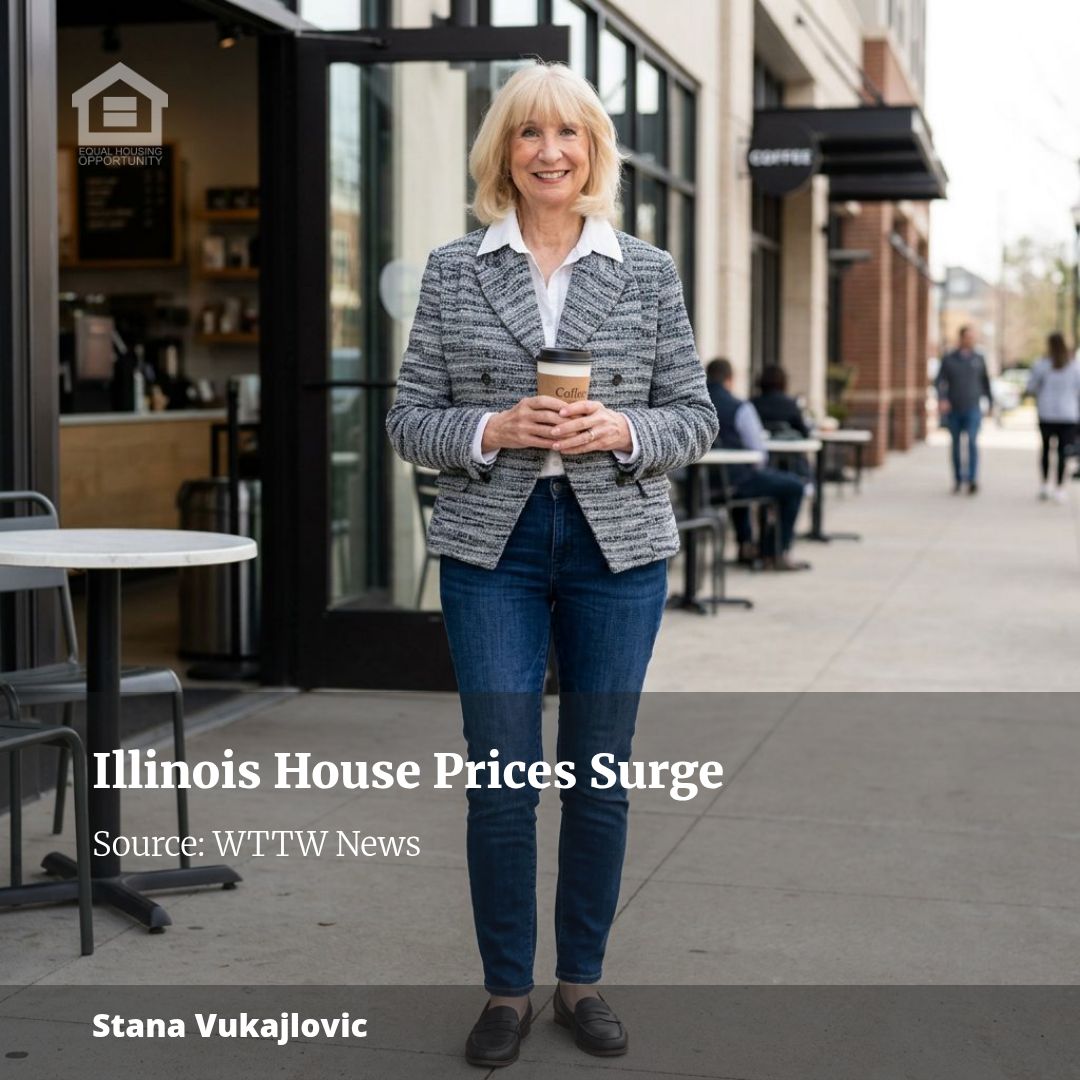
    House Prices Jump in Illinois Amid Slow Pace of New Construction

    I've watched the Chicagoland market evolve over the years, and the latest numbers confirm what many of us are experiencing: Chicago's median home price has jumped 13.3% to $425,000, largely because our housing supply simply can't keep up with demand. As someone who values quality construction and understands the nuances of our Western Suburbs, it's clear that new builds would need to triple just to meet current needs—a challenge slowed by outdated codes, permitting hurdles, and infrastructure bottlenecks. These issues not only impact affordability but also the availability of homes that suit growing families. Ongoing reforms are aiming to boost more accessible, middle-income housing options. My background in banking and commercial real estate gives me a unique perspective on how these trends shape opportunities for buyers and sellers alike, and I remain committed to helping families navigate these complexities with honesty and integrity.


    Continue to full article

  • Home sales pick up as inventory growth stays measured

    Home sales pick up as inventory growth stays measured

    It’s encouraging to see momentum returning to the housing market: in June, U.S. home sales rose 8.9% from May and 7.8% year over year. The median price reached $460,000, a monthly increase of 2.4%. Inventory also grew by 5%—a measured pace that still keeps things competitive for buyers. On average, homes sold for 99% of their asking price and spent just 43 days on the market. With over two decades helping families throughout the Western Suburbs, I’ve learned that understanding both value and quality construction is essential when navigating these shifts. Whether you’re weighing the timing to sell or assessing your next purchase, knowing the numbers is just one part of making confident decisions in this dynamic market.

    Continue to full article

  • US Existing Home Sales Edge Up

    Early in Q3, US existing-home sales slipped by 1.7% month-over-month, but still managed to edge up 0.7% compared to last year—evidence that completed transactions are holding slightly ahead of last summer’s pace. I always keep an eye on these shifts for my clients, as even small changes reveal a lot about market momentum. The median price for existing homes reached $434,100, marking the 37th consecutive month of yearly gains. For many homeowners, that means additional equity to monitor carefully, which can be an important consideration when weighing your options. Inventory finished Q3 at 1.54 million homes, down both 1.9% month-over-month and 0.6% from last year—a clear sign we’re still in a tight market. For buyers, keeping a close watch on available listings is key. Despite rising prices, housing affordability improved nationally, so those who are prepared and patient may find opportunities as value, timing, and choice begin to align. With 30-year fixed mortgage rates averaging in the high 6% range, any easing could bring added support for buyers as we move through the summer. My background in banking and commercial real estate continues to shape how I guide clients through these evolving dynamics—always focused on recognizing value, quality, and the right timing in every transaction.

  • USA: Why ‘Price Stability’ Is a Myth

    Having spent more than two decades immersed in Chicagoland’s real estate market—and with a background in both banking and commercial real estate—I often reflect on how the concept of 'price stability' is far more complex than it appears. The idea that all prices move together just doesn’t hold up. For instance, while advances in technology have made our devices more affordable and powerful, we’ve seen costs for experiences like hotel stays, sporting events, and college tuition rise, as people shift how and where they spend. It’s a reminder that countless decisions and global trends shape what things cost, making it almost impossible for any one institution to ensure steady prices across the board. Some believe a more stable dollar would encourage investment and even out certain prices, but even then, scarcity often wins out—think limited-edition homes or prime locations that always seem to command a premium. Ultimately, changing prices can be a sign of progress, not just volatility. For those navigating the home buying or selling process, understanding these shifts—and recognizing true value—matters more than chasing an ever-elusive idea of universal price stability.

  • Why American Buyers Are Finally Getting Leverage

    After more than two decades helping families navigate the Chicagoland real estate market, I've noticed a meaningful shift: buyers are starting to regain some negotiating power. With competition less fierce and the market moving away from a seller's advantage, we're seeing builders step up with incentives, mortgage-rate buydowns, and price adjustments—tools designed to draw in those who may be feeling hesitant. Increased inventory means my clients now have the breathing room to truly compare homes, assess value, and avoid rushed decisions. Of course, elevated mortgage rates are still a key consideration, keeping some demand at bay even as new opportunities emerge. My years in banking and commercial real estate have always guided me to focus on quality, value, and smart negotiation—especially important as the market landscape continues to evolve.

  • 2026 Housing Market: Stable Prices Offer More Buyer Opportunities

    2026 Housing Market: Stable Prices Offer More Buyer Opportunities

    Housing affordability is set to improve as home price growth slows to 1.2%, below inflation, leading to real price declines. Mortgage rates are expected to stay steady at 6.3%, with monthly payments declining 1.9% this year. Existing home sales may rise modestly to 4.1 million, while inventory growth slows to 3.6%. Sellers are adjusting prices realistically, and buyer-seller negotiations are improving market stability.

    Continue to full article

  • Happy Labor Day!

    Labor Day in the United States celebrates the contributions of workers everywhere, while also unofficially marking the final big summer weekend before fall takes over.
    It’s known for backyard barbecues, road trips, and that classic tradition of buying things you didn’t know you needed because “it’s on sale.”
    Beaches, parks, and grills reach peak activity as everyone tries to squeeze every last drop of summer fun out of the long weekend.
    Happy Labor Day! Wishing you a fun, easygoing weekend filled with good vibes, great food, and absolutely no thoughts about Monday.

  • America’s Hottest Housing Markets for 2026 Are in the Northeast and Midwest

    America’s Hottest Housing Markets for 2026 Are in the Northeast and Midwest

    As someone who has spent over two decades helping families navigate the real estate landscape in the Chicagoland area—especially the Western Suburbs—it's fascinating to see how the nation's housing trends are evolving. Recent data points to the Northeast and Midwest suburbs leading as the hottest U.S. housing markets for 2026. We're seeing a remarkable surge in demand, with inventory levels still 60% below pre-pandemic norms. Homes are consistently selling above asking price, and buyers are coming to the table with larger down payments and stronger credit profiles. My background in banking and commercial real estate has always underscored the importance of recognizing value and quality in a competitive market like this. For families considering a move or a sale, understanding these trends and what drives them is key to making confident, informed decisions.

    Continue to full article

  • Record home prices can’t hide a surprising affordability gain

    Record home prices can’t hide a surprising affordability gain

    In June, the US housing affordability index rose to 102.3 as wages outpaced home prices despite median home prices hitting a record high. The average 30-year mortgage rate dropped to 6.49%, easing costs for buyers. The West saw the largest affordability gain, while the Northeast had the smallest. New legislation aims to address housing supply, but relief is expected to take years. Further affordability gains depend on mortgage rates easing.

    Continue to full article

  • Existing Home Sales Slip

    US existing-home sales slipped 1.7% in Early-Q3 to a 4.06M annual pace, slightly above economists' expectations and still ↑0.7% on a yearly basis.
    Median existing-home prices reached a record for Early-Q3 at $434.1K, while the benchmark 30-yr fixed mortgage rate climbed near 7%, highest in >1 yr.
    Inventory stayed tight at 1.54M unsold homes in Early-Q3, ↓1.9% MoM and ↓0.6% yearly, leaving a 4.6-mo supply at current sales pace.
    An economist said owners with ultra-low pandemic-era mortgages had little incentive to sell, helping keep listings scarce and limiting how many buyers completed purchases.
    First-time buyers made up 29% of purchases in Early-Q3, down from Late-Q2 and still below the historical norm of ~40% of sales.